News

...
Meeting of AIU Graduates Studying on a Local Executive Authority (LEA) Grant with the Astana Department of Education
Mon, Dec 8, 2025, 7:12 AM

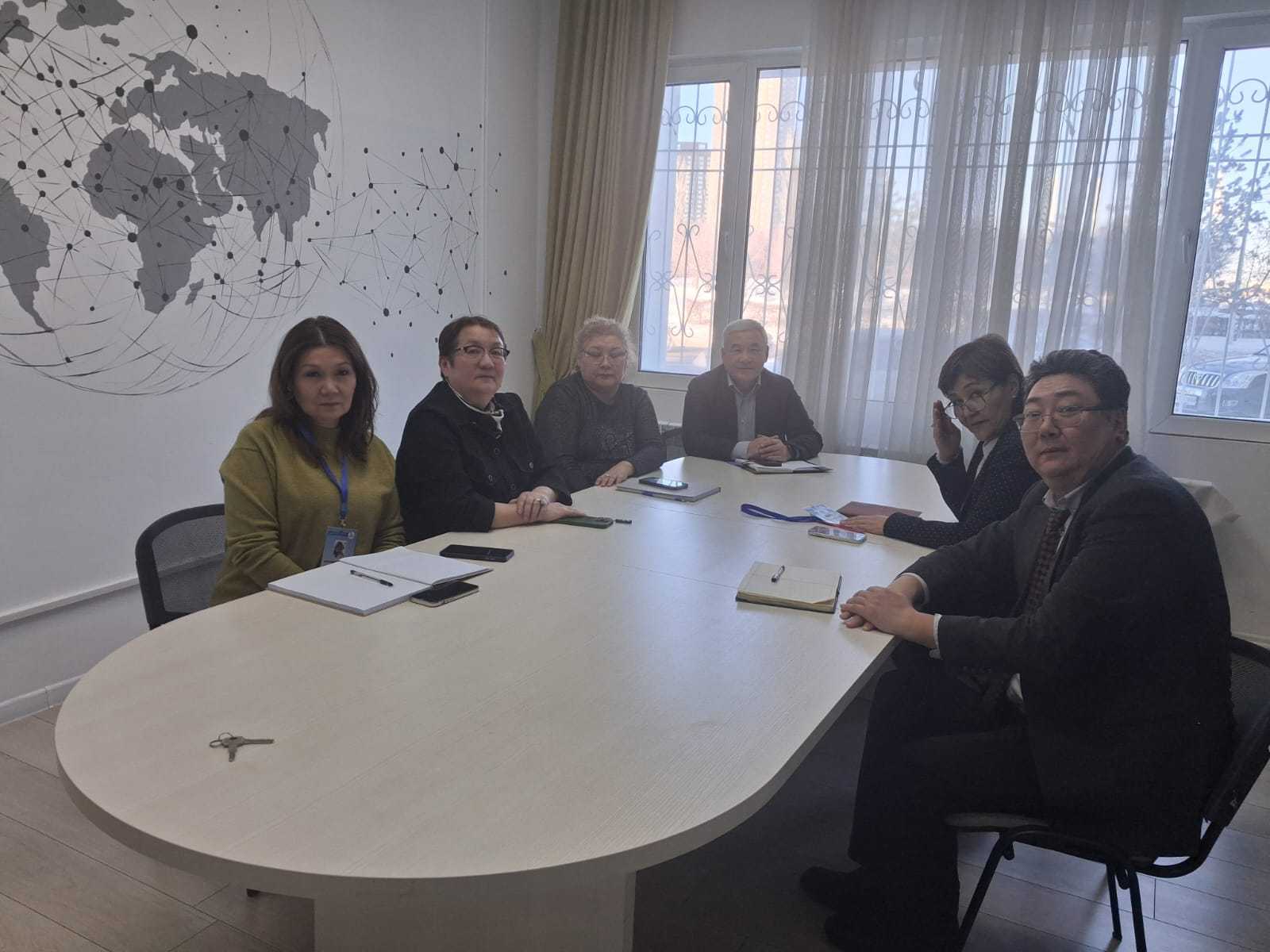
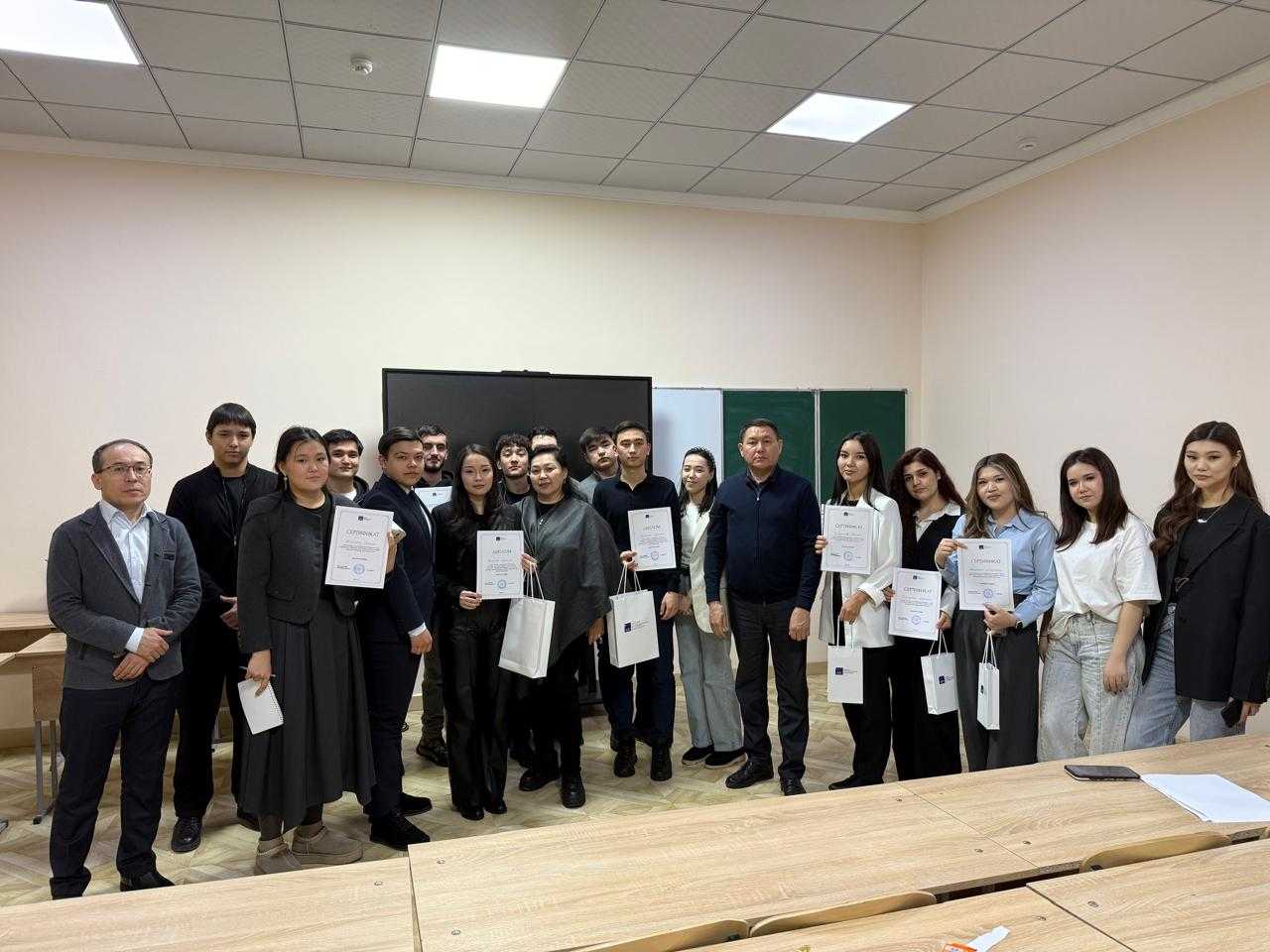
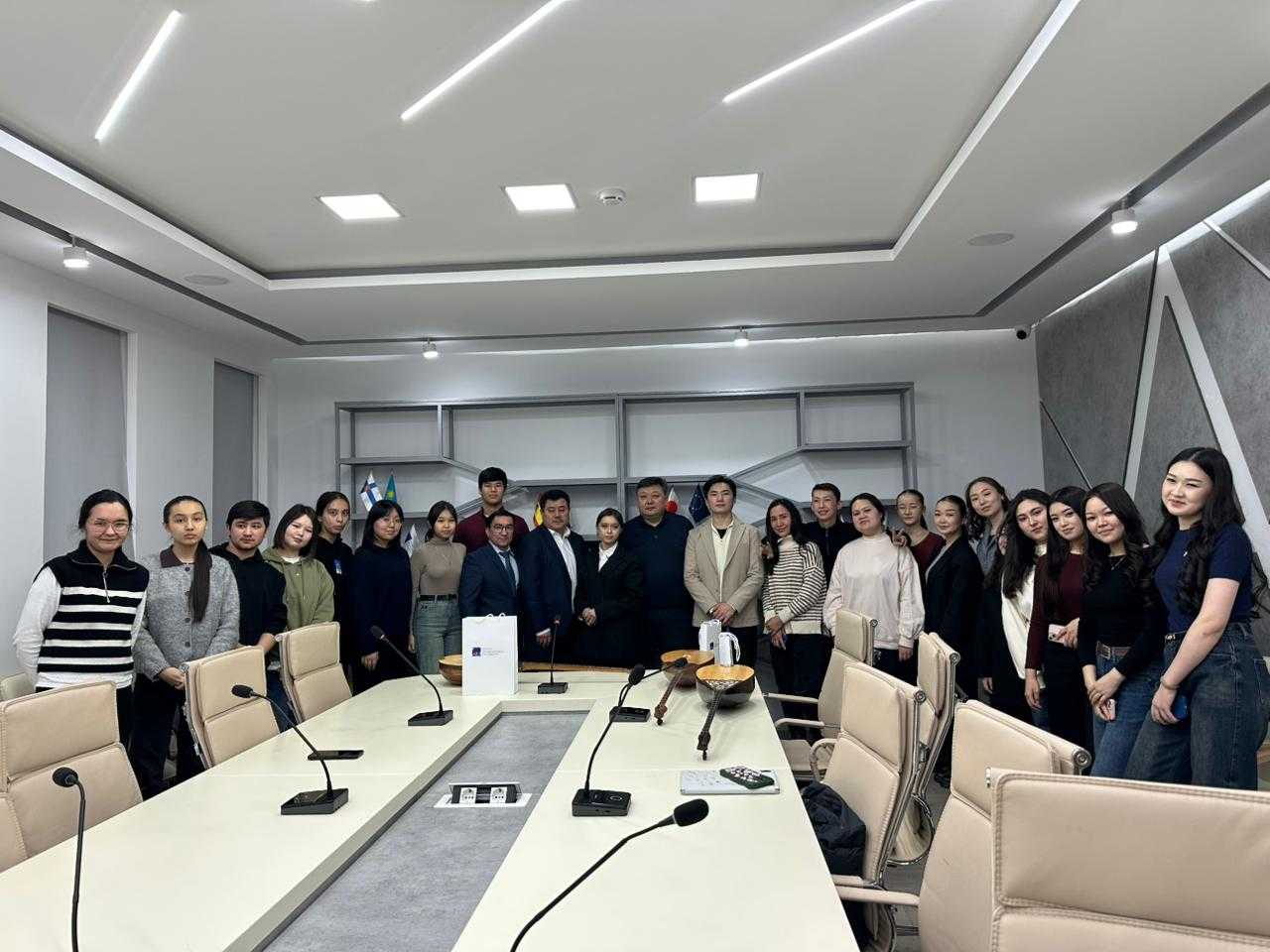
On December 8, 2025, Astana International University hosted a meeting between fourth-year students studying on a grant from the local executive authority (LEA) and representatives of the Astana Department of Education. The event aimed to explain the mechanisms for assigning young specialists and the conditions for mandatory grant completion.

During the meeting, representatives of the education department detailed the current procedure for assigning teaching staff to secondary education institutions in the capital, discussed the list of vacancies, employment requirements, and career advancement opportunities for young teachers. Particular attention was paid to the regulatory conditions for completing the LEA grant, the deadlines, possible grounds for postponement or extension, and liability for failure to fulfill obligations.

Graduates had the opportunity to ask questions regarding school placement, the choice of educational institution, working conditions, salaries, and professional development prospects. Representatives of the Education Department emphasized that the capital's schools are experiencing a high demand for qualified teaching staff and are interested in collaborating with the university.

Following the meeting, students noted the importance of such events, which allow them to plan their future careers in advance and receive reliable information directly from employers. The university emphasized that interaction with government agencies is a crucial element in training personnel for the education system.

Astana International University expresses its gratitude to representatives of the Astana Education Department for the constructive dialogue and to the graduates for their active participation and commitment to professional development.

...
Archaeological discoveries of the Saka era: Professor Ulan Umutkaliev gave a lecture at AIU
Mon, Dec 8, 2025, 5:55 AM

Today, at the Higher School of Arts and Humanities of Astana International University, as part of the "Kazakh Nomadic Civilization" module, Professor Ulan Umitkaliyev, PhD in History, delivered a lecture on "Saka Civilization: An Archaeological Analysis."

During the event, attendees were introduced to the latest scientific research on the Saka era, as well as modern methods for analyzing archaeological sources. In his lecture, the professor covered in detail the social structure of Saka society, its material culture, mythological worldview, and its influence on the formation of the Eurasian cultural space. Particular attention was paid to archaeological discoveries of recent years.

Faculty and students from the Design program at the Higher School of Arts and Humanities participated in the lecture, providing the opportunity to discuss current issues in the study of the history of civilizations and exchange opinions on the materials presented.Throughout the lecture, the scholar presented new scientific perspectives on the social structure of Saka society, burial traditions, stylistic and symbolic features of artifacts, and the interconnectedness of nomadic cultures across the Eurasian steppe. Drawing upon recent archaeological studies, Ulan Umitkaliuly provided concrete evidence supporting the scientific basis of the concept of nomadic civilization and offered a comprehensive explanation of the achievements and current directions of modern Kazakhstani archaeology.

As the professor highlighted, the eight “Golden Man” complexes discovered in various regions of Kazakhstan serve as clear evidence of the high artistic level and complex ideological system of Saka-era culture. He also emphasized that nearly 20,000 burial mounds and settlements from the Early Iron Age in the Kazakh steppe remain insufficiently researched, making this field a significant scientific arena for future young archaeologists.

Every slide presented during the lecture was supported with concrete scientific data based on archaeological materials, radiocarbon analyses, petrographic studies, and comparative cultural research. This new information broadened the academic perspective of students and master’s candidates and further strengthened their interest in research.

...
The Kulanshy art space named AIU teacher Serzhan Bashirov its Artist of the Month.
Mon, Dec 8, 2025, 3:54 AM

At the art space “Kulanshy Forte”, Serzhan Bashirov, a lecturer at the Higher School of Art and Design of Astana International University, has been selected as the Artist of the Month. His unique exhibition has become a significant event in the cultural life of the capital.

Serzhan Bashirov is an artist, jeweler, and master of decorative and applied arts who has assembled a rare collection of artifacts revealing the richness and multilayered nature of the nomadic civilization. The exhibited pieces demonstrate how harmoniously and skillfully nomadic culture combined practicality, utility, and profound symbolism.

The antique objects featured in the exhibition are valuable examples of material culture. They serve as an important tool for understanding Kazakh identity, its origins, and evolution. Through these items, visitors can connect with the world of their ancestors, where every sign, ornament, and shape carried sacred meaning and reflected the worldview of the people.

The exhibition, presented at the Palace of Peace and Reconciliation, has made a significant contribution to the preservation and study of national heritage. It highlights the cultural importance of Kazakh civilization in a global context and strengthens young people's interest in exploring their own roots.

The Astana International University community takes pride in having among its faculty a master whose work not only preserves history but also inspires a new generation of researchers and artists.

Lecturer Tlekbay Laura

...
Photo exhibition under the auspices of the OSCE
Fri, Dec 5, 2025, 11:56 AM

Astana International University (AIU), together with the OSCE Programme Office, organized a photo exhibition as part of the annual international campaign "16 Days of Activism Against Gender-Based Violence." The exhibition aims to foster zero tolerance for violence and strengthen legal and humanitarian mechanisms for the protection of women and children.

The exhibition focuses on documentary photographs of emergency services and government agencies in Kazakhstan: the Ministry of Emergency Situations, the Almaty Department of Emergency Situations, the Disaster Medicine Center, the Kazaviaspas unit, and the Zhan-Saya Crisis Center.

The photographs convey the daily work of the first responders in emergency situations. Moments of rescue, support, and rehabilitation, as well as the work of psychologists, paramedics, firefighters, and volunteers, allow viewers to see the problem of gender-based violence through the lens of real human experience.

The photo exhibition was opened by Kairat Amangeldievich Abdrakhmanov, Vice President of Astana International University. He emphasized the university's commitment to gender equality and its participation in such projects as a key contribution to fostering a safe educational and social environment.

Aleksey Rogov, Head of the OSCE Programme Office in Astana, expressed gratitude to the university for organizing the exhibition and noted the importance of regular interaction between government agencies, civil society, and educational institutions on strengthening gender security.

The OSCE Office in Kazakhstan expresses its readiness to continue its cooperation with the AIU and support initiatives aimed at raising youth awareness of human rights, preventing violence, and developing effective social protection institutions.


...
Primary Fire Extinguishing Equipment
Thu, Dec 4, 2025, 5:02 AM

Fire extinguishers occupy a special place among fire safety equipment. They are easy to operate, require no special skills, and are excellent at extinguishing the initial stages of a fire. However, the effectiveness of a fire extinguisher directly depends on its proper selection. An unsuitable fire extinguisher will not cope with a fire and, in fact, can cause injury.

What kind of fire extinguisher should you have in different situations? Despite the seemingly obvious answer to this question, it's not that simple. I won't discuss the purpose of a fire extinguisher in this article. I will simply note that its presence serves two purposes:

- first, to extinguish a fire in its early stages when it occurs;

- second, to comply with fire safety regulations, thereby eliminating the possibility of a fine during an inspection.

 The document regulating the provision of buildings with primary fire extinguishing equipment is Order No. 55 of the Minister of Emergency Situations of February 21, 2022, "On Approval of Fire Safety Rules," and the Technical Regulations "General Fire Safety Requirements," approved by Order No. 405 of the Minister of Emergency Situations of the Republic of Kazakhstan of August 17, 2021. The requirements specified therein should be followed when selecting fire extinguishers, including those for vehicles.

Chief Specialist

Emergency Situations Department of Yesil District, Astana City Department of Emergency Situations

Civil Defense Lieutenant Colonel A.B. Aliyev

...
AIU students participated in the XII Republican Congress of Young Researchers dedicated to the 100th anniversary of Academician E.A. Buketov
Wed, Dec 3, 2025, 7:48 AM

On 28–29 November 2025 in Karaganda, students from 1st to 3rd years of the educational programme 6B01601 "History and Social Studies" at AIU actively participated in the XII Republican Congress of Young Researchers dedicated to the 100th anniversary of Academician E.A. Buketov. The event, titled "The Phenomenon of E.A. Buketov: Scientist. Teacher. Personality," was organized by the Historical Faculty and the "Tulgatanu" Research Centre of Karaganda National Research University.

The main objective of the forum was to comprehensively study the scientific heritage of Academician E.A. Buketov, assess his contribution to the development of national science, support the scientific potential of youth, and foster patriotism, humanism, and intellectual culture.

AIU students participated in the work of academic sections, presented their research, engaged in discussions, and exchanged experiences. This allowed them to expand their scientific thinking and became a significant step in their professional development.

Following the completion of the forum, students were taken on an educational excursion to the KARLAG Museum (Corrective Labour Camp of the Kazakh SSR), located in Karaganda Region. The visit to the museum enabled students to gain a deeper understanding of the history of political repression, familiarize themselves with archival materials and museum exhibitions, and contributed significantly to the formation of their historical consciousness.